The Anchor Mentoring Project
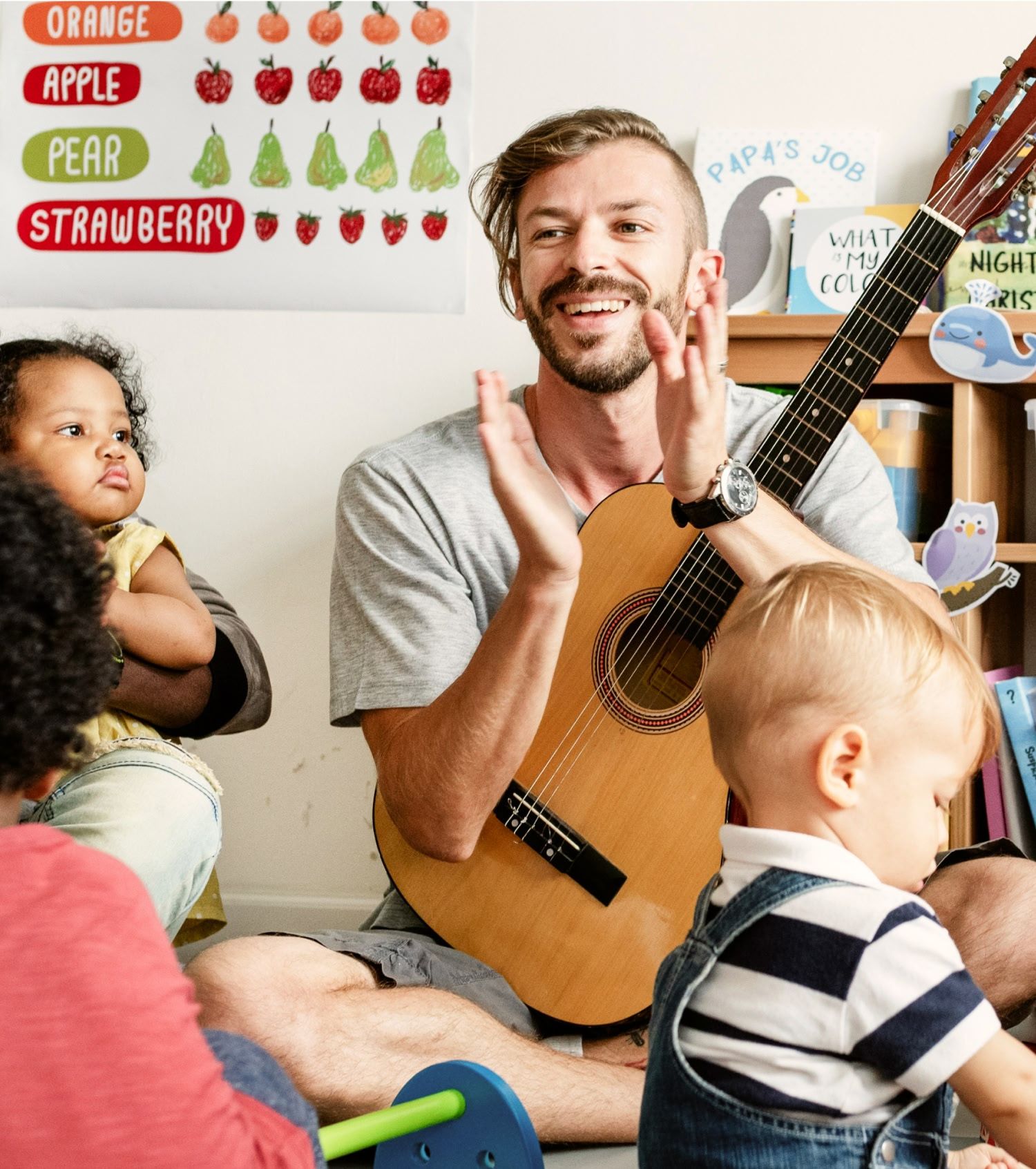
Building a safer path for men in early childhood education
In plain terms: the core Job
At its core, the job was to create a trusted, psychologically safe mentoring experience that helps male educators who are often the “only guy” in their service feel less isolated, more supported, and more likely to stay in the profession. The program needed to connect these educators with experienced male mentors who understand the realities of early childhood education, so they could share strategies, protect their wellbeing, and see a future for themselves in the sector.
What we needed to learn
- How men in early childhood actually experience isolation, stigma, and scrutiny, beyond what shows up in workforce data or media headlines.
- What would make a mentoring offer feel safe, inclusive, and credible to three distinct audiences: male educators, service leaders/approved providers, and sector partners/funders.
- How Brancher’s personality‑ and values‑based matching, plus structured program design, could be applied to this very specific context without diluting safety or over‑complicating participation.
How we worked
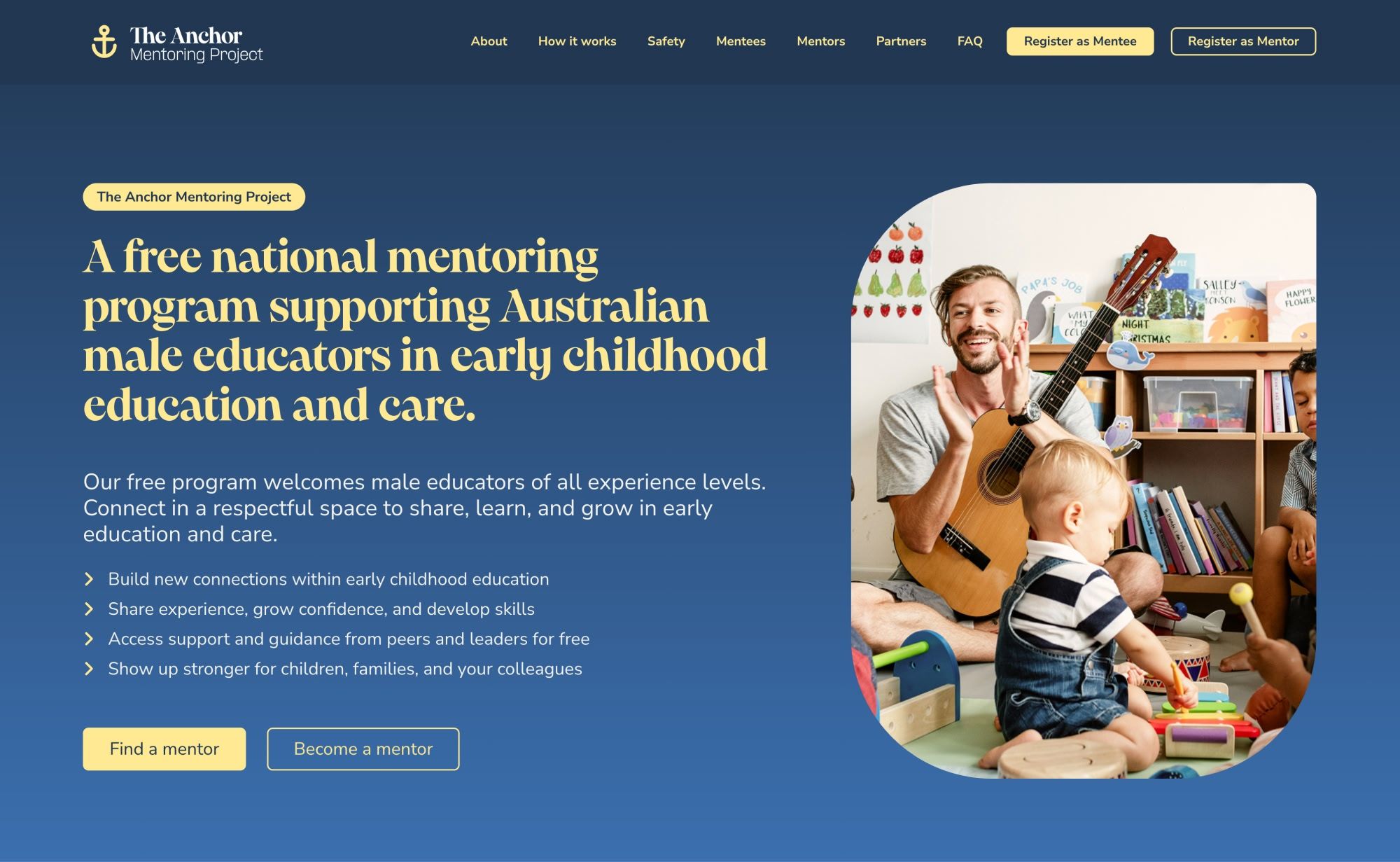
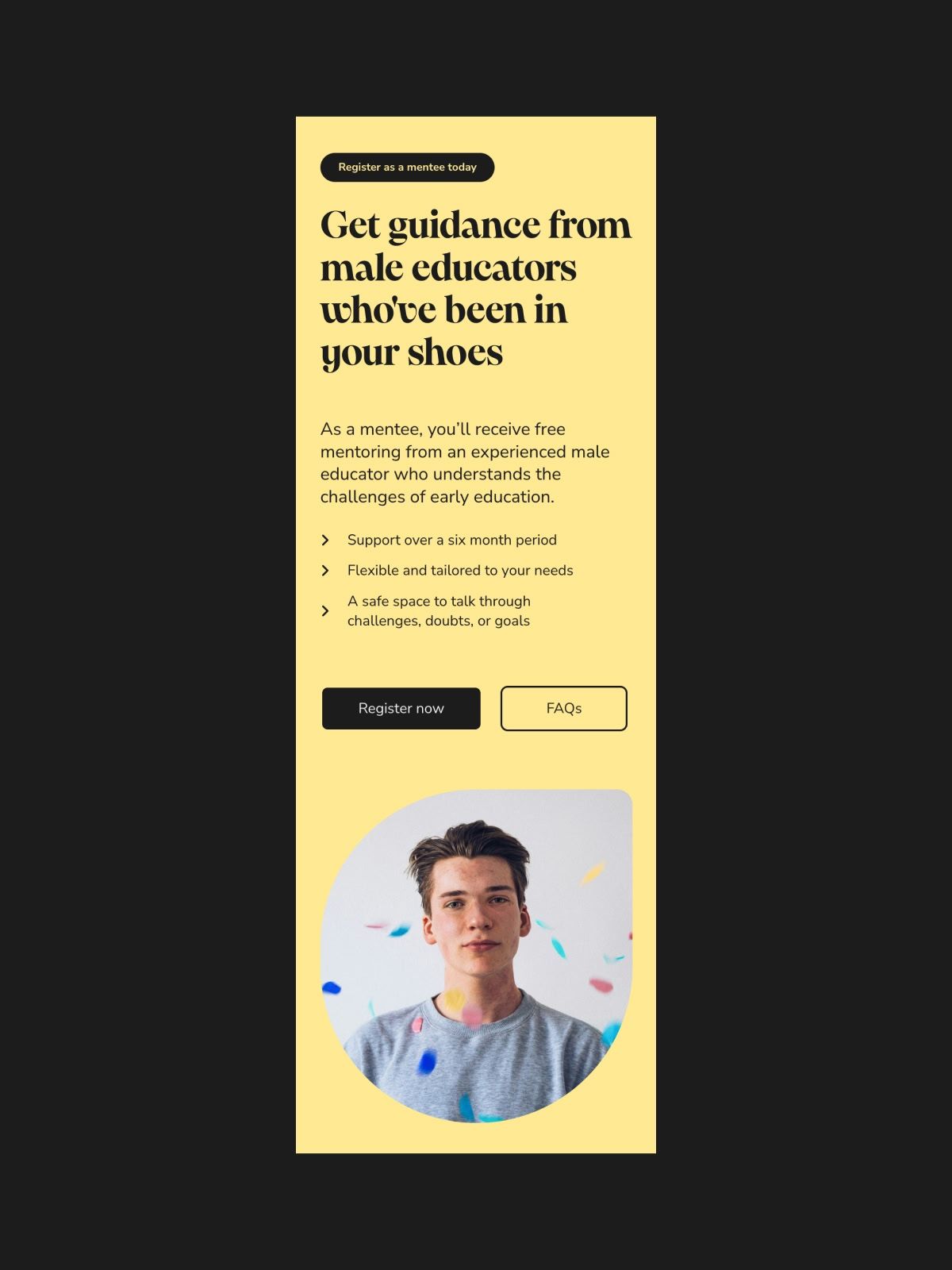
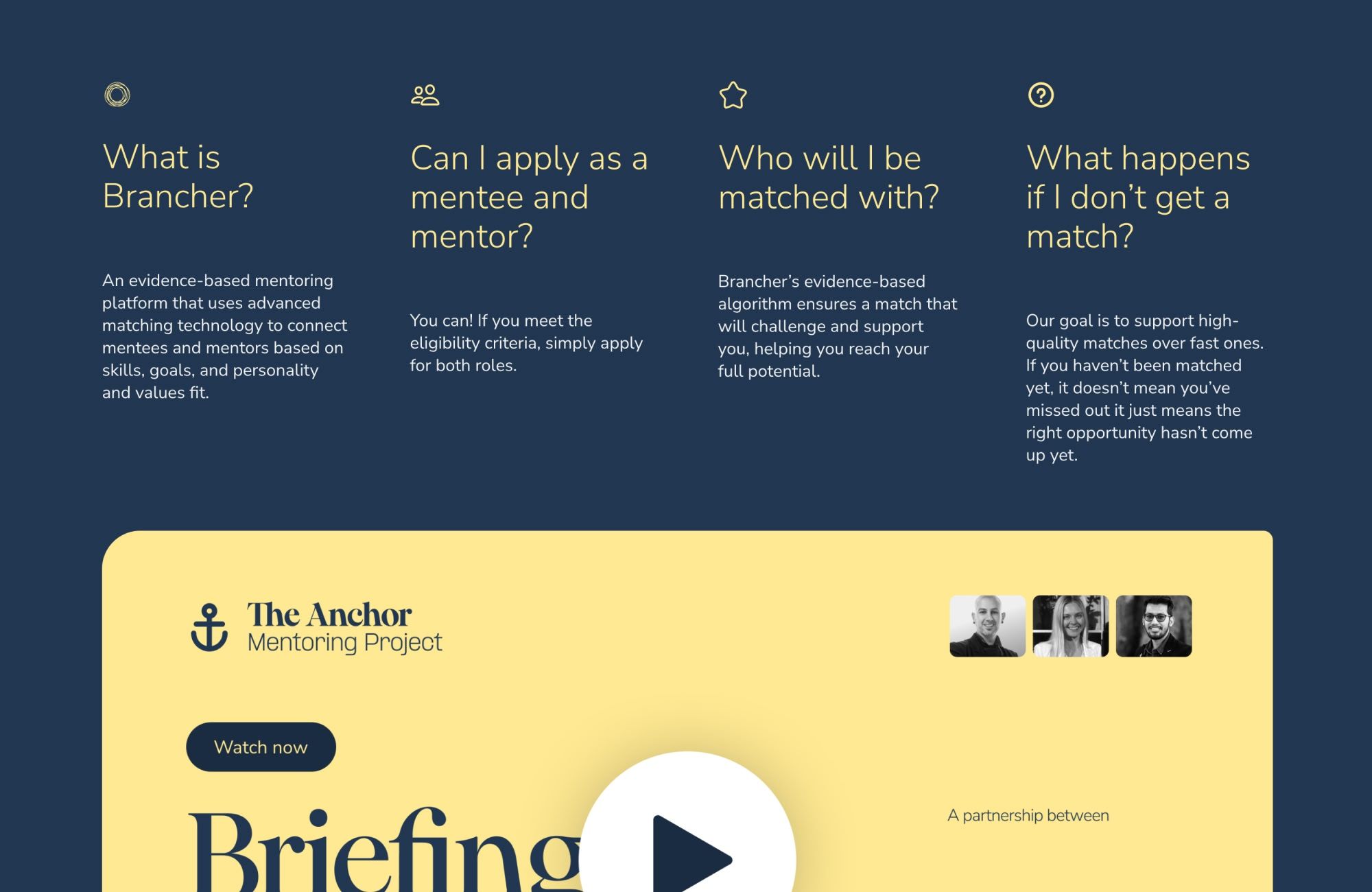
This was a six‑week, cross‑partner sprint that combined sector insight from Semann & Slattery, mentoring infrastructure from Brancher, and Lobos’ digital presence design to move from idea to national launch. Lobos focused on deep listening with program founders and male educators, then translated that into a clear narrative, brand, and end‑to‑end digital journey that could speak confidently to all three audiences.
On the build side, Lobos used rapid tools including Figma for interface concepts, Relume for architecture and component exploration, Bricks for WordPress implementation, Perplexity for fast sector and language research, Snapforms for simple, compliant data capture, Customer.io for automated onboarding flows, and the Brancher platform itself to underpin matching and ongoing mentoring workflows. This stack allowed the team to stand up a cohesive brand, website, email flows, and social content in weeks rather than months, while keeping room for iteration once the first cohorts are underway.
What’s next
The national launch in December 2025 is only the beginning: mentees and mentors will be matched in early 2026, with this first cohort treated as a live test of the program’s design, experience, and impact. Insights from these initial cohorts will inform refinements to messaging, onboarding, and digital workflows, and will feed into an evidence‑based case for scaling the Anchor Mentoring Project and securing long‑term funding to better support men in early childhood education across Australia.


Looking to launch a MVP brand and idea?
Let's set up a call to talk through your idea