Zembl Email Design System

A flexible email design system that turned a non‑designer marketing team into confident, on‑brand creators.
The challenge
Zembl’s marketing team were responsible for a wide range of email communications (service messages, sales follow‑ups, contract workflows, newsletters and case studies) but relied heavily on designers to get anything out the door. The existing brand guidelines were basic, with limited visual language and no reusable email components, which meant every campaign felt like a one‑off. The team needed a way to move faster and stay on brand, without adding headcount or bogging designers down in production work.
Our approach
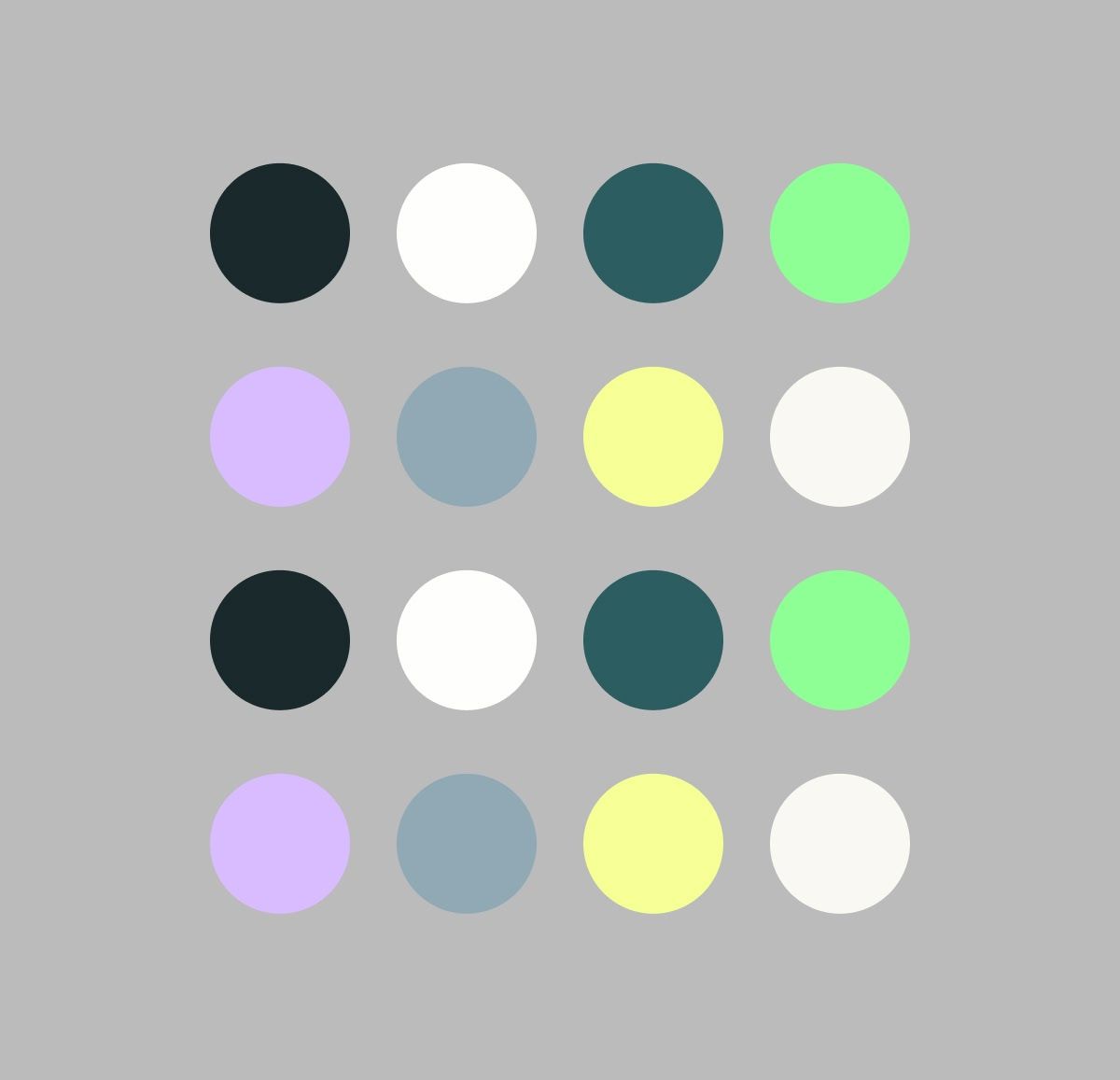
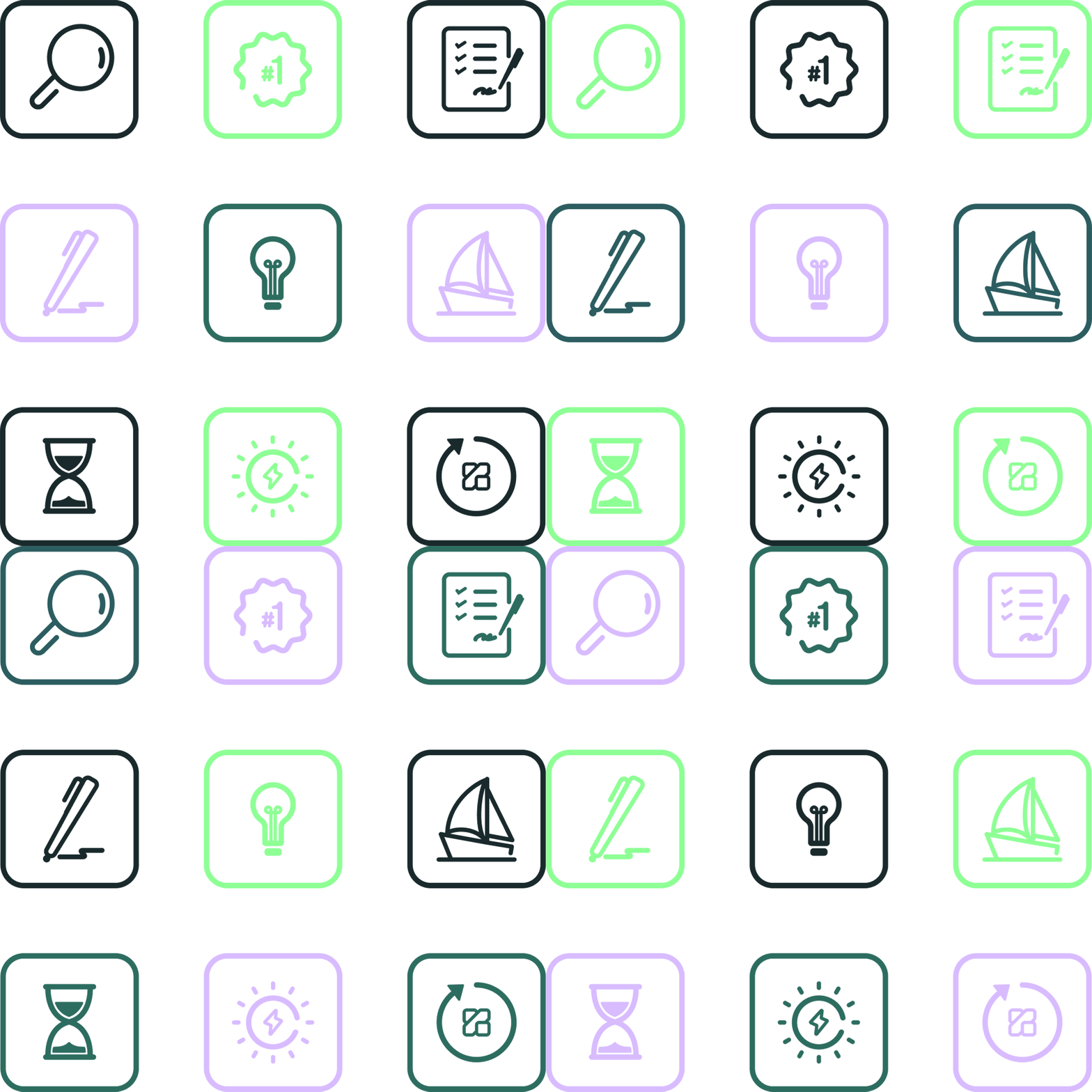
We started by taking stock of Zembl’s existing brand system and their most common email use cases. From there, we extended the visual language with a custom icon set, refined typography and layout rules, and a wide library of modular blocks that could be mixed and matched. Every module was built in Figma with clear naming, usage notes and responsive behaviour, so non‑designers could assemble emails like Lego—confident that spacing, hierarchy and brand details were already baked in.
Design & Implementation
Once the core system was defined, we built it out as a structured Figma library in our workspace first, then migrated and implemented the finished system into Zembl’s own Figma space so it became part of their day‑to‑day toolkit. This included:
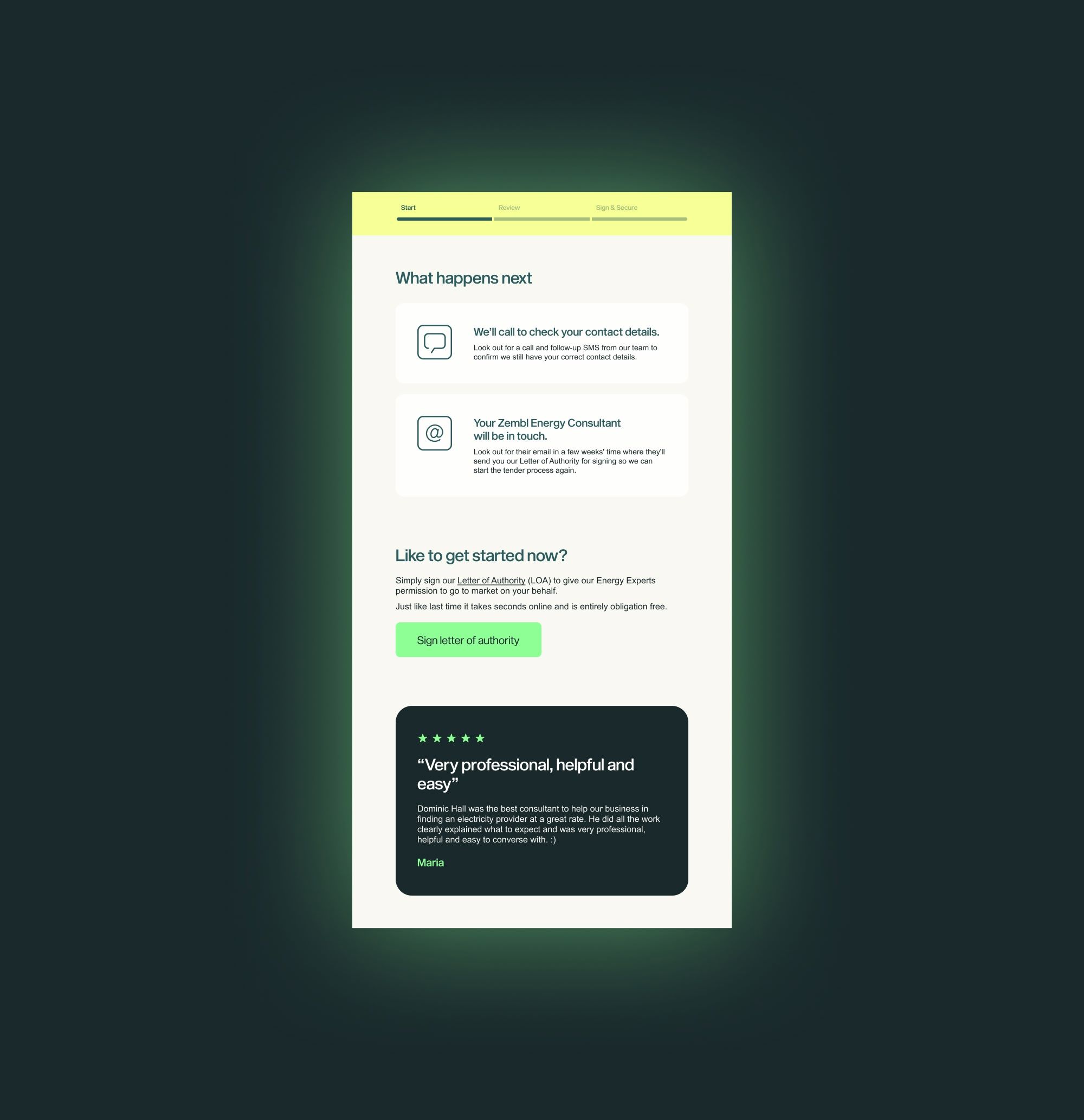
- A master email template plus variants for service updates, promotional campaigns, nurture sequences and transactional comms.
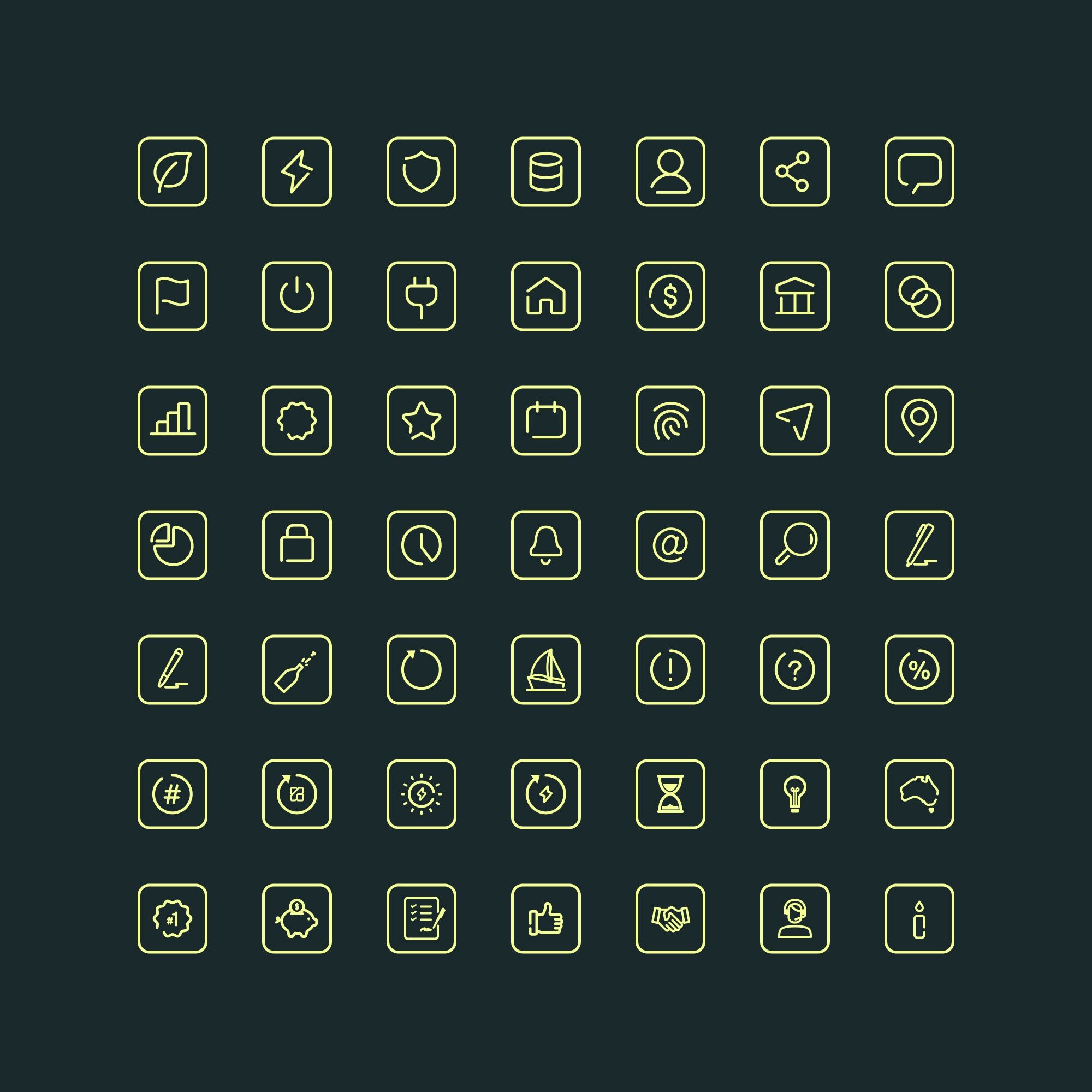
- A scalable icon library covering key Zembl concepts, product areas and common UI actions.
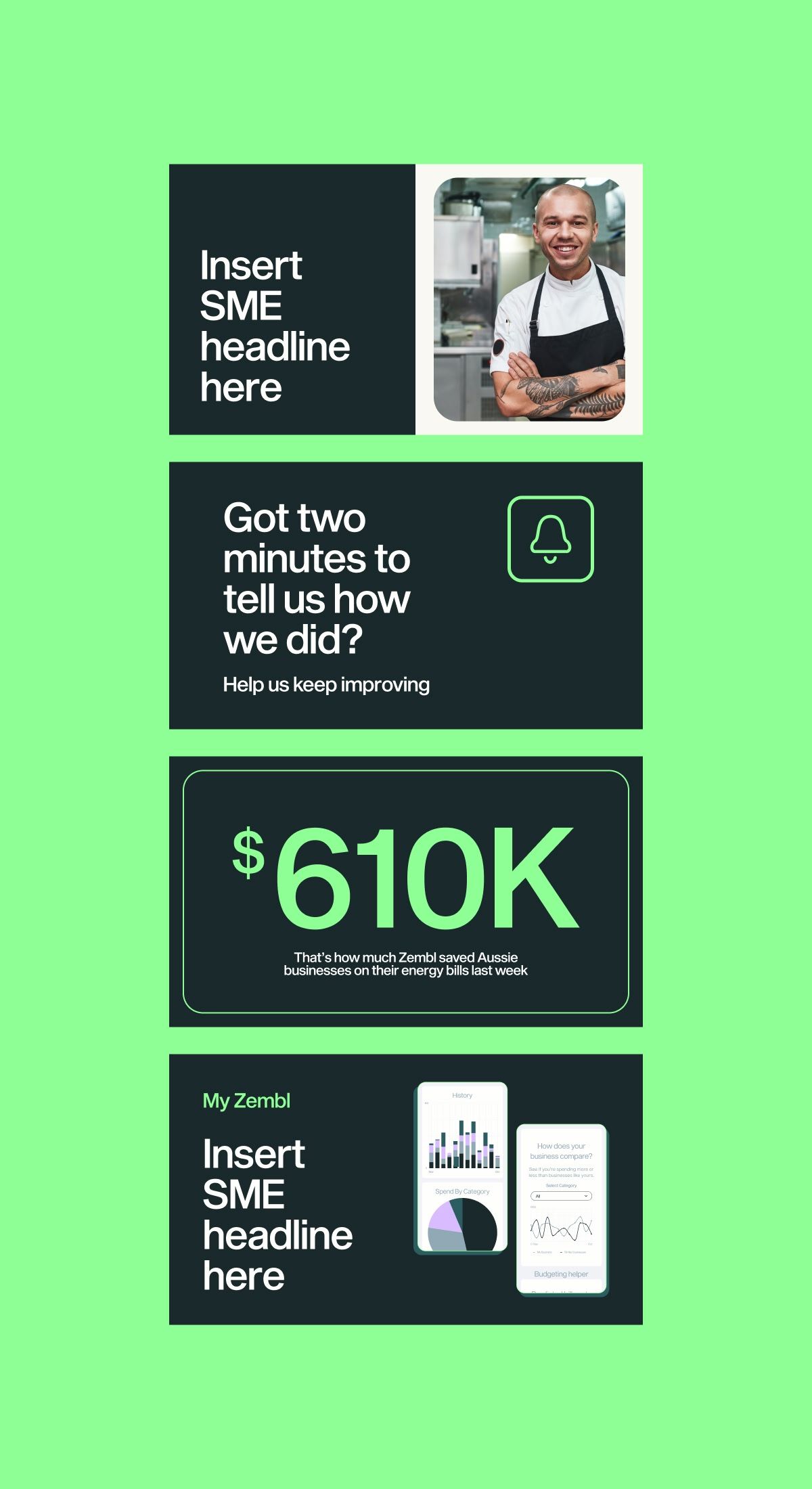
- A set of reusable modules (hero, feature rows, comparison blocks, CTAs, legal/footer patterns, etc.) that could be rearranged without breaking the visual system.
Enablement & Training
To make sure the system actually got used, we ran a series of live training workshops with the marketing team. In those sessions we walked through real email scenarios, showed how to choose and combine modules, and captured any friction points or missing pieces. We then iterated on the library to tighten naming, add tooltips and refine documentation so it felt intuitive for non‑designers, not just the design team.
Results
With the system in place, Zembl’s marketing team were able to independently create a broad range of email communications—everything from simple service messages to contract‑signing sequences and story‑driven case studies—without needing a designer on every brief. The Figma library stayed in active use for roughly three years before requiring a major update, giving Zembl a long‑lasting, on‑brand foundation for email that scaled with the team’s needs.

Give your team a plug‑and‑play email system
We build flexible Figma email libraries so your marketers can ship on‑brand campaigns fast.